
World-wide contrariness which add fuel to the fire of climate change.
It’s bit off the topic but I felt to write about it. Lately when I read an article in the Guardian with the heading „Maldives’ carbon-neutral dream fades as strategy switches to mass tourism.“ by John Vidal. The former president of Maldives tried to be the moral leader in the UN climate talks and the lately elected head of state stands up for a complete opposite direction in sustainable policy decisions. I assume similar contrariness exists for conflict minerals law central Africa.
Firstly, some important facts about the Congo Basin to get the big picture bit more zoomed. According to the WWFthe area is affected with increase of population 1.7 million people each year which leads to lack for food, fuel and shelter at a great cost to the forest. Focusing on the largest country in the Congo Basin which contains of 12,5% of the world’s remaining tropical rainforest is the Democratic Republic of Congo. DRA has an annual growth of populationat 2,53% in 2015 according to the World Bank compared to Germany with 0.08%yearly growth in 2015.
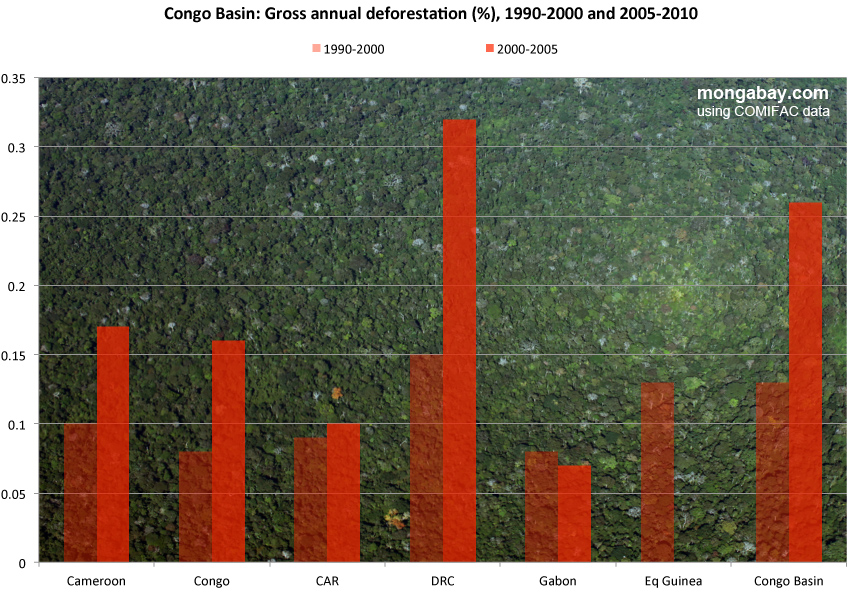
Unfortunately, not just the increase in population plays a major role also the boost of deforestation which has allocated 50% of the forest for logging. These are some the important issues which by any chance be debated and implemented more intense on international level.
The international community needs to work together with the Congolese government to set tough regulations to prevent the illegal deforestation and mining.
What is the impact of logging and deforestation in such an important ecosystem? What about the laws in those countries and in the U.S. or in the EU. The EU Conflict Minerals lawis due to come into force in the spring of 2017. This is to prevent companies from financing armed conflicts through their raw material procurement. In the USA, similar regulations became effective more than five years ago.
The history of mining especially in the Democratic Republic of Congo begins in 1998. Major laws on international levels were set approx. 20 years later… Who made all that profit? I leave this question open.